
Names, Masks, and Reinvention
Point BlankFrom Madonna to Moses Grace, changing names and public performances show how identity can be lost, adopted, manipulated, or recovered.
increasing Bearing strength in each event
 decreasing
Bearing strength in each eventdecreasingMadonna as a Temporary Name
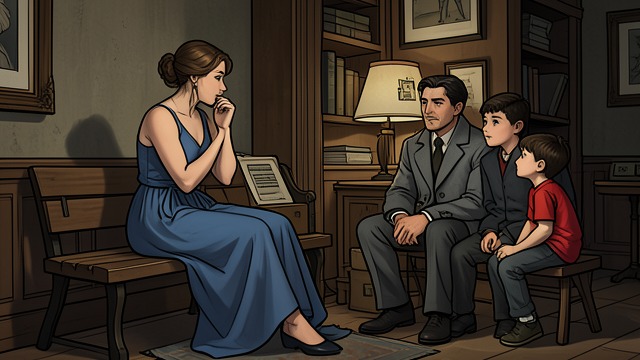
Madonna as a Temporary Name
Identity withheld
Ruth cannot remember who she is and lacks identification. Dixon and his sons give her the playful name Madonna so they can speak to her.
A person beyond a label
Ruth still displays humor, practical knowledge, and habits such as humming when upset. Her personality remains partly visible even when her history is inaccessible.
Recognition restores continuity
When Savich and Sherlock arrive, Ruth remembers her real name. The temporary name falls away, but the experience shows that identity depends on relationships as well as memory.
Moses Grace as an Alias

Moses Grace as an Alias
A manufactured persona
Moses’s name and coarse speech lead investigators to imagine an illiterate, backwoods old man. His changing grammar and accent suggest that much of this image is performance.
A hidden history
Marilyn’s memories reveal Malcolm Gilliam, a much more complex identity than the alias allows. The name Moses Grace is drawn from his parents rather than his own past.
A mask for vengeance
The alias lets him taunt investigators while concealing his history and connections. Savich dismantles the mask by linking the present crimes to an earlier case.
Claudia’s Performance

Claudia’s Performance
A conspicuous disguise
Claudia wears revealing, attention-catching clothes and uses flirtation to make people watch her. At restaurants she seems to enjoy controlling the attention around her.
A false age
She claims to be eighteen, but the investigation establishes that she is sixteen. Her adult performance obscures a child whose life has been shaped by violence.
A role turned dangerous
Claudia’s confidence is not merely a disguise; it becomes part of how she intimidates victims and taunts agents. The mask reveals something real even as it hides vulnerability.
Gordon’s Public Self

Gordon’s Public Self
Artist and administrator
Gordon is admired as a musician and director, a sophisticated figure whose authority shapes Stanislaus. His public identity is built on talent and prestige.
Private conduct concealed
His affairs with students are framed as artistic nourishment and kept quiet by Helen. The difference between public success and private behavior grows increasingly difficult to ignore.
A mask at the end
When accused, Gordon can move from despair to aristocratic composure. The performance may be self-protection, but it cannot prevent his final disappearance from destroying his reputation.
Identity Through Work

Identity Through Work
Marilyn’s former image
Savich remembers Marilyn as frightened, defeated, and controlled by her cousins. Her past identity has been defined by what others did to her.
A craftswoman emerges
Training in woodworking gives her skill, income, and a project of her own. The renovated barn reflects a new identity made through work rather than imposed by family history.
Memory without surrender
Marilyn still remembers the violence and the old grandfather. She can tell the truth without becoming only the frightened child she once was.
Saturday, during Ruth’s amnesia
During the FBI investigation, before the final pursuit
Saturday through Thursday, during the public encounters
Monday through Sunday, as the school case develops
Two years before the present story through the epilogue
